




When it comes to upgrading your garage floor, choosing the right coating is crucial. Polyaspartic coating stands out as a top choice in today’s market.
Not only does it provide a sleek and professional finish, but it also boasts numerous practical benefits. In this blog, we’ll explore why polyaspartic coatings for garage floors are the superior choice.
What is Polyaspartic Coating?
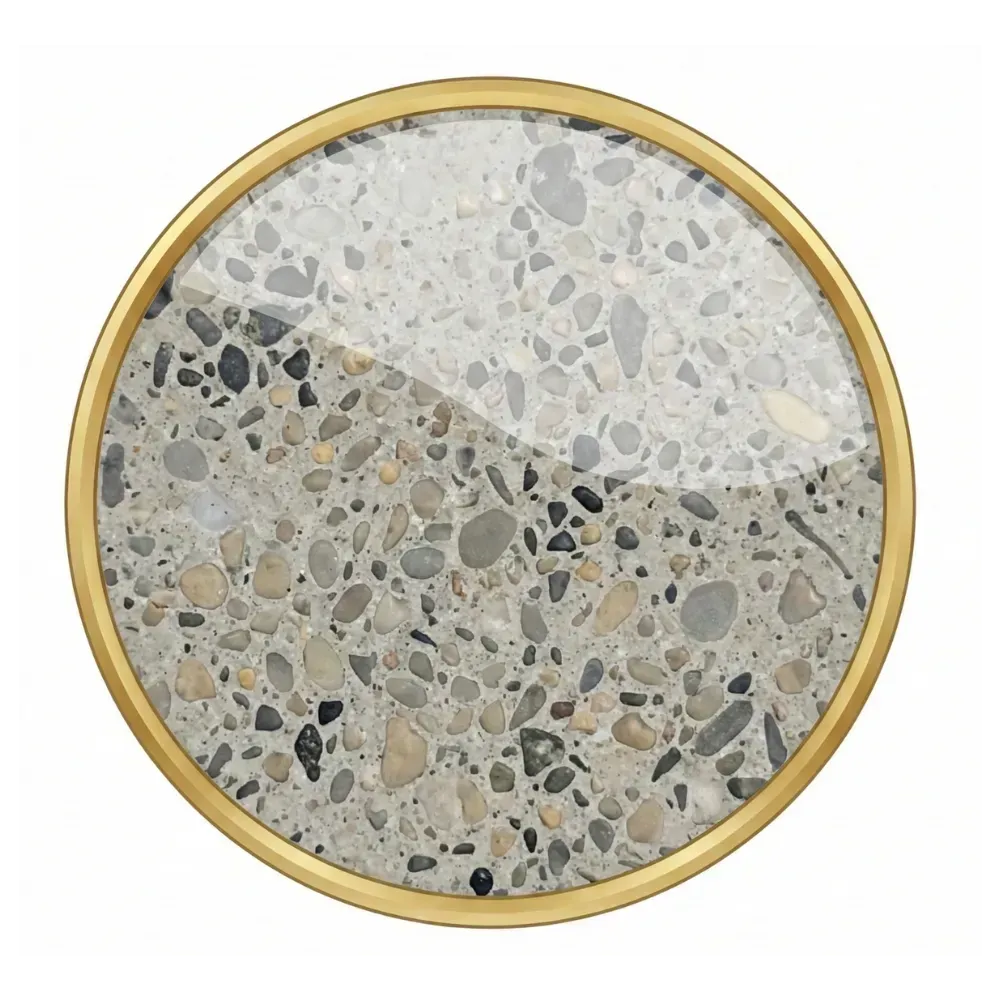
Polyaspartic coating is a protective layer applied to surfaces like concrete and metal. It combines an isocyanate base with an aliphatic polyaspartic top coat. The polyurea base bonds to the surface, and the polyaspartic top layer adds a glossy finish that resists abrasion and chemicals.
The unique formulation of polyaspartic coatings allows for a quick curing process. This fast curing time makes it highly practical for applications where minimal downtime is essential. Additionally, polyaspartic coatings offer excellent resistance to chemicals, heat and UV, to name a few, making them suitable for tough environments.
Benefits of Polyaspartic Coatings for Garage Floors
Polyaspartic coatings offer several advantages for garage floors and other surfaces:
-
Durability – One of the standout features of polyaspartic coating is its incredible durability. It can withstand heavy traffic, abrasions, and impacts without chipping or cracking. This makes it ideal for a busy garage where cars, tools, and equipment can take a toll on the flooring.
-
Fast Curing Time – Unlike traditional epoxy coatings, polyaspartic coating has a fast curing time. You can walk on it within a few hours and resume normal garage activities in just a day. This fast-curing process minimizes downtime and inconvenience.
-
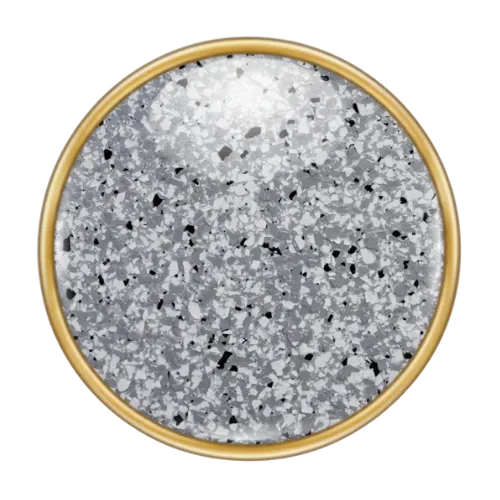
Aesthetic Appeal – The best polyaspartic floor coating provides a glossy, attractive finish that can enhance the overall look of your garage. They are available in various colors and can include decorative chips or flakes to create a customized appearance.
-
Chemical Resistance – Garages often house chemicals like oils, gasoline, and cleaners that can damage floors. Polyaspartic coatings are highly resistant to chemical spills, ensuring your floor remains intact and looks great over time.
-
UV Stability – Some coatings can turn yellow or fade due to sunlight exposure, but polyaspartic is not one of them. Its UV stability means it will maintain its color and clarity, even in areas exposed to direct sunlight.
-
Low Maintenance – Maintaining a clean garage floor is effortless with a polyaspartic coating. Its smooth surface makes sweeping and mopping easy, and it resists staining, so spills can be wiped up without leaving a mark.
-
Customization Options – From color choices to decorative flakes and anti-slip additives, the best polyaspartic floor coating offers a high degree of customization. You can design a floor that not only performs well but also complements your style.
Installation Process
Installing polyaspartic coating involves several critical steps to ensure a durable and attractive finish. Below is a detailed walkthrough of the process:
-
Clear your garage floor of any dirt, dust, and debris. You can accomplish this task with a broom, vacuum cleaner, or pressure washer.
-
Inspect the surface for any cracks or holes. Use a suitable filler to repair these imperfections, ensuring a smooth and even surface.
-
Check the concrete’s moisture level to confirm it is dry. A moisture test can prevent future issues with the coating.
-
Begin by applying a concrete primer to the prepared surface. This helps the polyaspartic coating adhere better and provides a smoother finish.
-
Follow the manufacturer’s instructions to mix the polyaspartic coating. Apply the first layer evenly across the surface using a roller or squeegee. Ensure even coverage and avoid pooling.
-
For added texture and visual appeal, you can sprinkle decorative chips or flakes onto the wet coating. This step must be done while the coating is still wet to ensure they adhere properly.
-
Once the base coat (and any decorative elements) has dried, apply a clear topcoat. This provides an extra layer of protection and enhances the durability and shine of the floor.
-
Although polyaspartic coatings cure quickly, allow the floor to cure completely, as recommended by the manufacturer, before resuming normal activities on the surface.
Drawbacks of Polyaspartic Coating
Although polyaspartic coatings have many advantages, they also have some disadvantages:
-
Higher Cost – Polyaspartic coatings can be more expensive than other types of floor coatings, such as epoxy. The higher cost may be a consideration for budget-conscious individuals or businesses.
-
Installation Complexity- While the coating itself cures quickly, the preparation process can be labor-intensive and requires precision. Professional installation is often recommended to ensure the best results, which can add to the overall cost.
-
Limited Working Time- Due to its fast-curing nature, polyaspartic coating has a limited working time. This means it must be applied quickly and efficiently, which can be challenging for DIY enthusiasts.