Why Polyaspartic Floor Coating Is Perfect for Phoenix’s Extreme Heat
If you live in Phoenix, you already know the deal: summer isn’t just hot, it’s relentless. When temperatures regularly soar above 110°F, everything around your home takes a beating. Your car struggles, your AC works overtime, and your garage floor? It’s quietly absorbing all that heat day after day.
Here’s the thing most homeowners don’t realize until it’s too late: traditional garage floor coatings often fail in Phoenix’s climate. Peeling, cracking, fading, you name it. That’s where polyaspartic floor coating comes in. It’s not just another upgrade; polyaspartic floor coating is specifically built to handle the kind of extreme heat we deal with here in the Valley.
What Makes Phoenix’s Climate So Tough on Garage Floors?
Before we talk about solutions, it helps to understand the problem.
Phoenix isn’t just “hot”, it’s one of the harshest environments in the country for concrete surfaces. Your garage floor faces:
Extreme UV exposure (even indirect sunlight damages coatings)
High surface temperatures (garage floors can exceed 140°F)
Rapid temperature swings (especially between day and night)
Dust and debris abrasion
Occasional moisture during the monsoon season
Concrete naturally expands and contracts with heat. Over time, that movement can cause coatings to crack or separate from the surface if they aren’t flexible enough.
That’s why choosing the right coating isn’t just about looks, it’s about performance.
Why Polyaspartic Floor Coating Is Ideal for Phoenix Heat
Heat Resistance That Actually Holds Up
Polyaspartic coatings are designed to handle extreme temperatures without breaking down. Unlike traditional epoxy, which can soften or discolor under intense heat, polyaspartic stays stable.
That means:
No peeling during summer
No warping or bubbling
No chalky fading from UV exposure
If you’ve ever seen a garage floor turn yellow or patchy, you’re looking at UV damage, something polyaspartic is specifically engineered to resist.
UV Stability (No Yellowing or Fading)
One of the biggest advantages of polyaspartic is its UV resistance.
In Phoenix, even indirect sunlight entering your garage can cause coatings to:
Fade unevenly
Yellow over time
Lose their original finish
Polyaspartic coatings are UV-stable, meaning they maintain their color and finish for years—even under intense sunlight.
Fast Cure Times (Even in Hot Weather)
In Phoenix, timing matters. Traditional coatings like epoxy can be tricky to install in high heat; they either cure too fast or not properly at all.
Polyaspartic coatings:
Cure quickly (often within a day)
Can be installed in a wider temperature range
Minimize downtime for your garage
That means you can get back to using your space faster—without sacrificing quality.
Flexibility That Prevents Cracking
Concrete expands and contracts constantly in Phoenix. A rigid coating can’t keep up, which leads to cracking.
Polyaspartic coatings are slightly flexible, allowing them to move with the concrete instead of fighting against it.
This flexibility helps prevent:
Surface cracks
Delamination (coating separating from concrete)
Long-term structural damage
Superior Durability Against Wear and Tear
Your garage isn’t just for parking; it’s a workspace, storage area, and sometimes even a gym. That means your floor deals with:
Hot tires
Heavy equipment
Oil and chemical spills
Dirt and sand abrasion
Polyaspartic coatings are highly resistant to all of these. They create a tough, protective layer that stands up to daily use without breaking down.
Comparing Polyaspartic vs. Epoxy in Phoenix
Let’s break it down simply:
Epoxy Coatings
Can yellow under UV exposure
Less flexible in extreme heat
Longer cure times
More prone to cracking in the Phoenix climate
Polyaspartic Coatings
UV-stable (no yellowing)
Flexible and heat-resistant
Fast installation
Built for harsh environments
In cooler climates, epoxy can work fine. But in Phoenix? Polyaspartic is clearly the better option.
The Long-Term Value for Phoenix Homeowners
You might be wondering, “Is it worth the investment?”
Short answer: yes, especially in this climate.
Here’s why:
Fewer Repairs Over Time
Because polyaspartic coatings are more durable, you won’t be dealing with:
Frequent touch-ups
Recoating every few years
Costly repairs
Increased Home Appeal
A professionally coated garage floor:
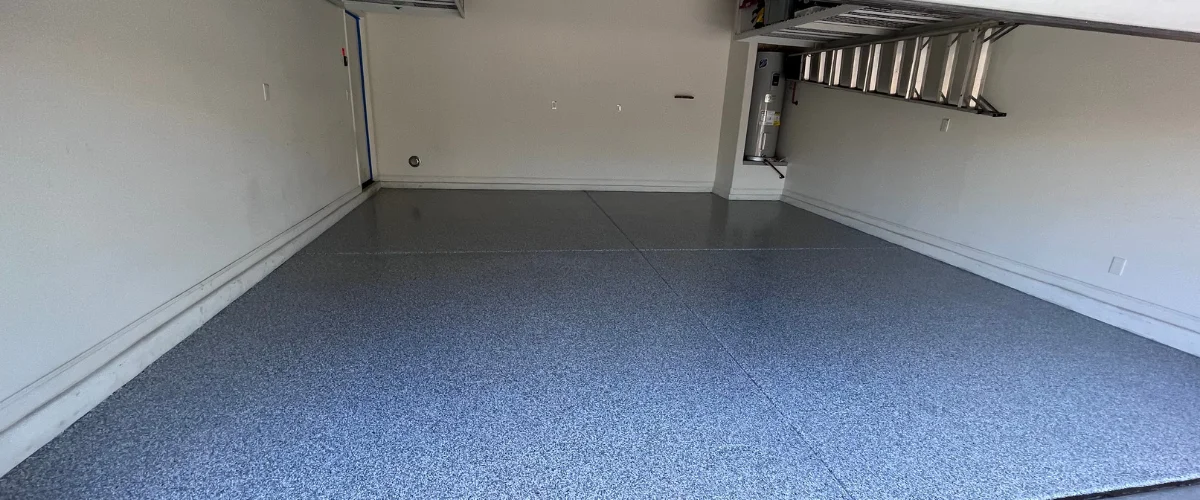
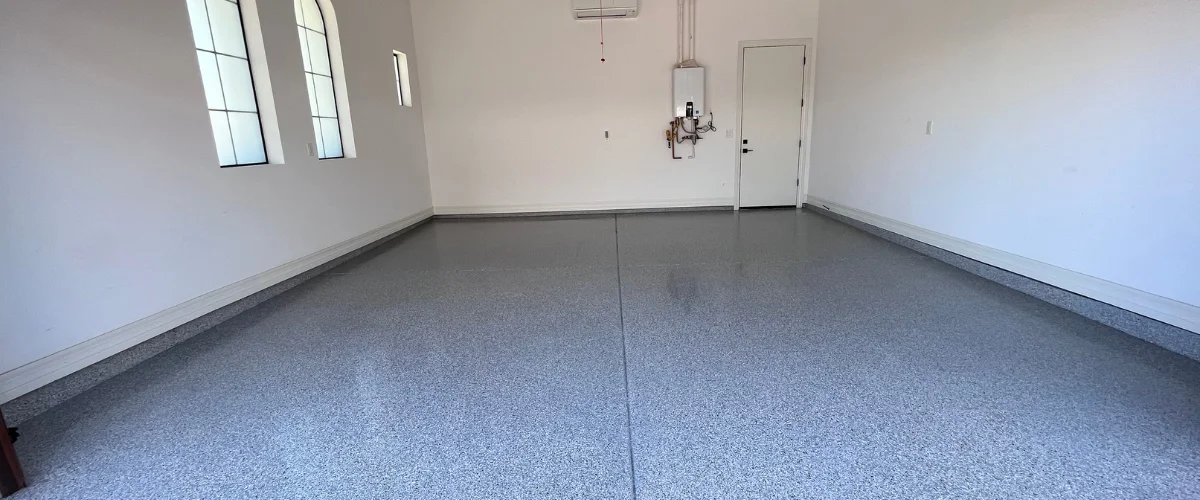
Looks clean and polished
Adds a finished feel to your home
Can boost resale value
Easier Maintenance
Dust and dirt are in constant battle in Phoenix. Polyaspartic floors make cleaning simple:
Sweep or rinse, done
No porous surface trapping grime
Resistant to stains and spills
Best Manufacturers of Polyaspartic Floor Coatings
High-quality materials matter just as much as proper installation for long-lasting results in extreme heat conditions like Phoenix’s climate.
Penntek Industrial Coatings – Known for durability and UV resistance, offering long-lasting polyaspartic systems designed for harsh climates and heavy garage use conditions.
Spartacote (Laticrete) – Offers high-performance coatings with strong adhesion and chemical resistance, making them ideal for residential garages exposed to heat and wear.
Versatile Building Products – Provides advanced coating systems with excellent flexibility and moisture tolerance, helping floors perform reliably in fluctuating temperatures and conditions.
Covalence Coatings – Specializes in fast-curing, UV-stable polyaspartic coatings that deliver consistent results and long-term protection in demanding environments like Phoenix garages.
Why Professional Installation Matters More Than You Think
Even the best coating won’t perform properly if it’s not installed correctly.
Garage floor coating isn’t just about rolling something onto concrete. It involves:
Proper surface preparation (grinding, cleaning, repairing cracks)
Moisture testing
Applying coatings at the right thickness
Timing everything perfectly in Phoenix heat
Cutting corners here leads to failure, no matter how good the product is.
Work With a Team That Knows Phoenix Conditions
Our team at Quick Response Garage Floor Coatings has spent years working specifically in Phoenix’s demanding climate, delivering professional results that last and save you money long-term.
If you're ready to upgrade your garage with a system built for extreme heat, call us at (602) 351-5543 and let’s get started.
Frequently Asked Questions About Polyaspartic Floor Coating
What is polyaspartic floor coating, and how is it different from epoxy?
Polyaspartic floor coating is a two-component floor coating system designed to protect concrete surfaces. The main difference between polyaspartic and epoxy is performance. Polyaspartic coating is UV stable, fast drying, and more flexible, while epoxy can yellow, crack, and take longer to cure. This makes polyaspartic a superior choice for garage floors, patios, and even commercial spaces with heavy foot traffic.
How long does a polyaspartic floor coating take to install?
Most jobs can be completed in a single day. The fast drying and tack-free nature of polyaspartic allows installers to prep, apply, and finish the coat quickly. In many cases, your floor is ready for light use within 24 hours, which is a big advantage over epoxy kits that may take several days.
Is polyaspartic floor coating good for both residential and commercial use?
Yes, it’s very versatile. Whether you need a durable floor for residential garage floors or a strong surface for commercial settings, polyaspartic coating can handle it. It resists scratches, chemicals, and heavy foot traffic, making it a great option for many environments.
Will the coating hold up against heat, chemicals, and daily wear?
Absolutely. Polyaspartic floor coatings are built to handle extreme conditions. They resist heat, oil, solvents, and other chemicals. This helps ensure your concrete floor stays protected and maintains its finish even with a lot of use.
What kind of finish and color options are available?
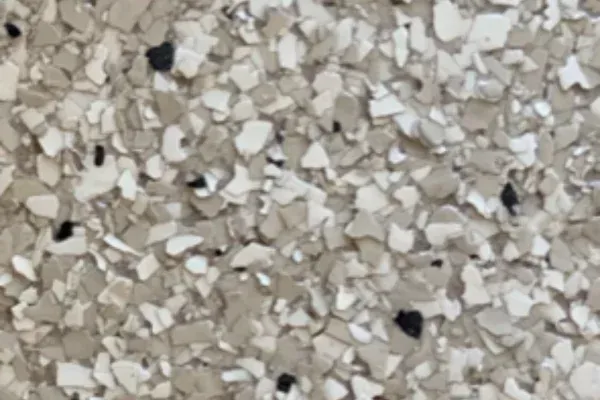
You’ll have a wide variety of color options and design choices. Many systems include decorative chips or flakes that create texture and style. A clear topcoat is added at the end to seal everything and give a clean, polished look. This allows you to create a floor that matches your space perfectly.
Is polyaspartic floor coating slippery?
It doesn’t have to be. Installers can add anti-slip flakes or adjust the finish during application to improve grip. This is especially helpful for garage floors, patios, or any area where water might be present.
How do I maintain a polyaspartic floor?
Maintenance is simple and easy. Just sweep or rinse the floor regularly to remove dirt and debris. Because the coating seals the concrete, it prevents stains and makes cleaning quick. You won’t need special products; just basic cleaning will keep it looking great.
How much does polyaspartic floor coating cost, and is it worth it?
The price can vary depending on the size of the job, product details, and coverage needed. While it may cost more upfront than epoxy kits, it saves money over time because it lasts longer and needs fewer repairs. If you’re ready to improve your space with a long-lasting floor coating, it’s a smart investment. You can always contact a trusted company to get a quote and assist with your project.
A Smart Upgrade for Phoenix Homes
Living in Phoenix means you have to think differently about home improvements. What works elsewhere doesn’t always hold up here.
That’s exactly why polyaspartic floor coating is such a smart choice. Polyaspartic floor coating is built for heat, designed for durability, and proven to perform in one of the toughest climates in the country.
If you’re tired of dealing with cracked, faded, or worn-out garage floors, this is your opportunity to upgrade to something that actually lasts with polyaspartic floor coating.
And when you’re ready, you know exactly who to call. Contact us at (602) 351-5543 and let’s get started.

